
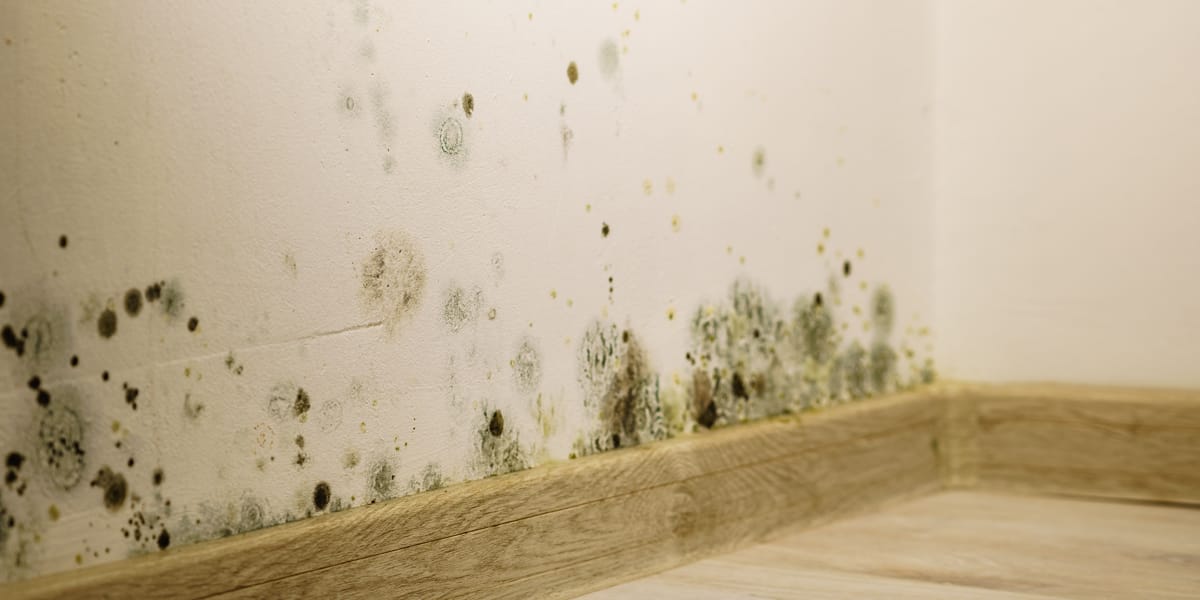
| Worried about black mold in your Birmingham home or rental? Learn the real risks, when DIY is OK, and how Bio-One of Alabama removes mold safely, 24/7. |
Few things send a homeowner to Google faster than dark spots on a bathroom ceiling or a black stain spreading behind a dresser. Search "black mold" and you'll find everything from sensible advice to stories that make it sound like you need to move out tonight. The truth is somewhere in between — and knowing it helps you make a calm, smart decision.
Here's what the science actually says, how to tell when mold is a do-it-yourself job, and how Bio-One of Alabama handles black mold removal in Birmingham, Hoover, Tuscaloosa and across central Alabama.
Is "Black Mold" the Same as "Toxic Mold"?
Not necessarily. The EPA points out that molds come in many colors, and both black and white molds are common indoors. Some molds can produce potentially toxic substances called mycotoxins, but you can't tell which ones by color alone — and the practical answer doesn't change either way. Visible mold indoors should be removed, and the moisture that feeds it should be fixed.
That doesn't mean mold is harmless. According to the EPA, mold can cause allergic reactions such as sneezing, runny nose, red eyes and skin rash, can trigger asthma attacks in people with asthma who are allergic to mold, and can irritate the eyes, skin, nose, throat and lungs even in people who aren't allergic. The CDC adds that people with weakened immune systems or chronic lung disease can develop lung infections from mold. If anyone in your home falls into those groups, don't wait.
Where Mold Hides in Birmingham-Area Homes and Buildings
Visible mold is often the smaller part of the problem. The EPA lists these common hiding places for mold you can't see:
- The back side of drywall, paneling and wallpaper
- Under carpet and carpet pad
- Inside walls around pipes that leak or sweat
- Walls behind furniture, where condensation collects
- Inside heating and cooling ductwork
- Above ceilings, where roof leaks or poor insulation let moisture in
If your home or building smells musty but you can't find the source, or you know there was water damage and someone is having symptoms, the EPA recommends considering an experienced professional rather than tearing into walls yourself.
When DIY Is Fine — and When It Isn't
The EPA's rule of thumb: if the moldy area is less than about 10 square feet (roughly 3 feet by 3 feet), most homeowners can handle it. Scrub hard surfaces with detergent and water, dry them completely, and wear an N-95 respirator, gloves and goggles. Fix whatever caused the moisture, or the mold will come back.
Call a professional when the growth is larger than that, when it's hidden, when the water came from sewage or another contaminated source, when your HVAC system may be involved, or when someone in the home has health concerns. And skip the shortcut of painting over it — the EPA says paint applied over moldy surfaces is likely to peel, and the mold is still there underneath.
Alabama Doesn't License Mold Remediators — So Ask These Questions
This surprises a lot of people. According to the Alabama Department of Public Health, there are currently no Alabama laws setting mold standards for homes or commercial buildings, and no state accreditation or certification for contractors who do mold testing or remediation. That means anyone can call themselves a mold remediator. Before you hire anyone, ask:
- How much mold remediation experience do you have, and can you give me references? The EPA specifically recommends checking references.
- How will you find and fix the moisture source? Removal without fixing the cause is a temporary fix.
- How will you contain the work area so spores don't spread through the rest of the house?
- What will be removed versus cleaned? Moldy drywall, carpet and ceiling tile often can't be saved.
- Will I get a written estimate before work starts?
- How will we know the job is done? The EPA's standard: the moisture problem is fixed, no visible mold or moldy odor remains, there's no sign of regrowth on a follow-up visit, and people can be in the space without health complaints.
How Bio-One of Alabama Handles Mold Removal
Assessment and a free written estimate
We walk the space with you, locate hidden growth with moisture meters, thermal imaging and air sampling, and give you a free written estimate. No pressure and no hidden fees.
Containment and removal
We seal off the affected area to stop spores from spreading, then remove the mold and any materials that can't be saved.
Disinfection, deodorizing and prevention
We clean and treat the area to help prevent regrowth and target the moisture source so the problem doesn't return.
Insurance help and follow-up
We can handle the insurance claim and talk directly with your adjuster. We triple-check our work and do a final walkthrough with you — and if we ever miss something, we come back the same day to fix it at no additional charge. Our vehicles are unmarked, and we're politely vague with curious neighbors.
For Landlords and Property Managers
Mold in a rental moves fast from a maintenance item to a tenant complaint. The EPA advises renters to report leaks and moisture problems to their landlord or property manager right away — so a quick, documented response protects everyone. Bio-One of Alabama works with property managers, apartment communities, commercial owners and insurance partners across the Birmingham metro.
Serving Birmingham and Central Alabama
Bio-One of Alabama provides mold removal across Jefferson, Shelby, St. Clair, Tuscaloosa, Walker, Blount, Cullman, Calhoun, Etowah, Talladega and Chilton counties, including Birmingham, Hoover, Vestavia Hills, Homewood, Trussville, Pelham, Alabaster, Calera, Bessemer, Gardendale, Leeds, Pell City, Tuscaloosa, Jasper, Cullman, Oneonta and Anniston. See all areas we serve.
Frequently Asked Questions
Is black mold dangerous?
Any indoor mold can cause health problems for some people, including allergic reactions, asthma attacks and irritation of the eyes, skin, nose, throat and lungs. People with weakened immune systems or chronic lung disease are at higher risk. Color doesn't tell you how dangerous a mold is, so the safest approach is to remove visible mold and fix the moisture source.
Do I need a mold test before removal?
Usually not if the mold is visible. The EPA says sampling is generally unnecessary when you can see growth, and there are no federal limits to compare results against. Testing is most helpful for finding hidden mold or confirming a cleanup worked.
Can I just paint over mold with a stain-blocking primer?
No. The EPA advises cleaning the mold and drying the surface before painting. Paint applied over moldy surfaces is likely to peel, and the growth underneath continues.
Does Alabama require a license for mold remediation?
No. The Alabama Department of Public Health says there is currently no state accreditation or certification for mold testing or remediation contractors. Ask about experience, references, containment and how the contractor will fix the moisture source.
How fast can you get here?
Someone from our team answers 24/7, and we can often be on-site the same day in the Birmingham area.
Do you remove mold in rentals and commercial buildings?
Yes. We handle homes, rentals, apartments, offices, industrial properties and vehicles.
Call Bio-One of Alabama for Black Mold Removal — 24/7
Whether it's a small patch you're unsure about or a musty smell that won't go away, call us. We'll tell you honestly whether it's something you can handle or something you need help with.
Phone: 205-937-1708
Email: info@bioonealabama.com
Address: 429 Green Springs Hwy, Suite 161-242, Birmingham, AL 35209
Online: Request service