
You’ve called the pest control company. The mice or rats have been dealt with. The entry points have been sealed. Problem solved, right?
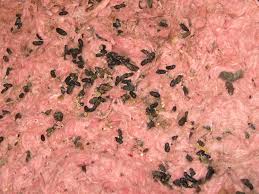
Not quite. What most homeowners don’t realize is that once the rodents are gone, the most serious health hazard is still sitting in your attic: the droppings, urine, nesting material, and biological contamination they left behind. And that contamination doesn’t go away on its own.
At Bio-One, we specialize in exactly this kind of remediation — the professional cleanup, disinfection, and deodorization of attic spaces contaminated by rodent activity. It’s not glamorous work, but it’s critically important work, and it requires the right training, the right equipment, and a serious commitment to safety for everyone involved.
Why Rodent Droppings in Your Attic Are a Serious Health Hazard
Rodent feces and urine are classified as biohazardous material for good reason. Mice, rats, and other rodents are known carriers of multiple dangerous pathogens, many of which can be transmitted to humans without any direct contact with the animal.
The primary health risks from attic rodent contamination include:
- Hantavirus Pulmonary Syndrome (HPS): One of the most serious risks associated with rodent droppings. Hantavirus is transmitted primarily through inhaling dust contaminated with rodent urine, droppings, or nesting material. Attics are particularly high-risk environments because disturbing dried droppings sends contaminated particles airborne. Hantavirus has a mortality rate of approximately 38%.
- Leptospirosis: A bacterial infection spread through rodent urine that can contaminate surfaces and materials in the attic. Exposure can occur through skin contact with contaminated material, particularly through cuts or abrasions.
- Salmonellosis: Rodents frequently carry Salmonella bacteria in their digestive tracts, which is deposited throughout the attic in their droppings.
- Rat-bite fever: Can be transmitted through contact with surfaces contaminated by rodent droppings or urine, even without a bite.
- Secondary pest infestations: Rodent nesting material often harbors fleas, mites, and ticks that remain active long after the rodents are gone.
The attic environment compounds these risks. Enclosed spaces with limited ventilation concentrate airborne contaminants. Insulation traps and holds biological material for extended periods. And because attics are rarely visited, contamination can accumulate for months or years before it’s discovered.
Signs You Have a Rodent Contamination Problem in Your Attic
Many homeowners don’t realize the extent of rodent activity in their attic until a pest control inspection, a home inspection, or an insulation contractor opens the hatch and takes a look. Signs that professional biohazard remediation may be needed include:
- Visible rodent droppings scattered across insulation or attic surfaces
- Strong ammonia odor from concentrated rodent urine
- Nesting material — shredded insulation, paper, fabric, or plant matter formed into nests
- Grease marks or rub marks along beams and joists (from rodents repeatedly traveling the same paths)
- Stained or discolored insulation from urine saturation
- Chewed wiring, wood, or other materials
- Persistent odors coming through the ceiling into living areas below
If your pest control company or home inspector flags any of these issues, the next call should be to a professional biohazard remediation company — not a general cleaning service.
What Bio-One’s Attic Rodent Remediation Process Looks Like
Professional attic rodent remediation is not a job for a shop vac and a face mask. It requires full personal protective equipment, proper containment protocols, professional-grade disinfectants, and specialized disposal procedures for biohazardous waste. Here’s how Bio-One approaches attic rodent contamination cleanup:
1. Assessment and documentation
Our technicians conduct a thorough inspection of the attic to assess the extent of contamination, identify affected insulation, document the scope of work, and determine whether insulation removal is warranted before disinfection. This assessment drives the remediation plan.
2. PPE and safety setup
Every Bio-One technician entering a contaminated attic wears full personal protective equipment: Tyvek suits, N95 or P100 respirators, nitrile gloves, and eye protection. Attic environments require strict PPE protocols because disturbing dried droppings and contaminated insulation releases hazardous particles into the air.
Safe movement through the attic is equally critical. Our technicians use purpose-built attic safety platforms — including The Original AtticBoard (atticboard.com) — to navigate attic spaces without stepping between joists or risking a fall through the ceiling. In contaminated attic environments, a fall isn’t just a safety hazard — it can spread contamination into the living space below.
3. Removal of contaminated material
Heavily contaminated insulation, nesting material, and debris are carefully removed and bagged in accordance with biohazardous waste disposal protocols. We do not attempt to clean in-place insulation that has been saturated with urine or heavily soiled with droppings — it must come out.
4. Disinfection of all attic surfaces
After contaminated material is removed, all attic surfaces — joists, decking, rafters, and any remaining material — are treated with professional-grade disinfectants effective against the pathogens associated with rodent contamination, including Hantavirus, Leptospirosis, and Salmonella. This is not a step that can be replicated with household cleaning products.
5. Deodorization
Rodent urine produces a persistent, penetrating odor that can seep through ceilings into living spaces and attract new rodents to the same location. Bio-One uses professional enzymatic and oxidizing deodorization treatments to neutralize odor at the source — not mask it — leaving the attic space genuinely clean rather than just treated.
6. Documentation and clearance
We provide thorough documentation of all work performed, which is important for homeowners working with insurance companies and for sellers and buyers navigating real estate transactions involving prior rodent activity.
Why You Should Never DIY Attic Rodent Droppings Cleanup
The CDC specifically warns against sweeping or vacuuming rodent droppings without proper precautions, because doing so launches contaminated particles into the air where they can be inhaled. The risks of DIY attic rodent cleanup include:
- Hantavirus exposure from disturbing dried droppings without respiratory protection
- Inadequate disinfection leaving active pathogens on surfaces
- Falling through the ceiling from stepping between joists without proper safety equipment
- Heat stress from extended time in a hot attic without proper breaks and monitoring
- Improper disposal of biohazardous material
This is work that requires professional training, professional equipment, and professional-grade products. The cost of professional remediation is almost always covered or partially covered by homeowners insurance when the contamination is tied to a documented rodent infestation.
Who Calls Bio-One for Attic Rodent Remediation?
Bio-One works with homeowners, property managers, real estate agents, and pest control companies across Alabama. The most common scenarios that lead to an attic remediation call include:
- A home inspection flags significant rodent activity in the attic during a real estate transaction
- A pest control company completes rodent exclusion work and recommends professional cleanup of the contaminated space
- A homeowner notices persistent odors coming through the ceiling and discovers the source in the attic
- An insulation contractor opens the attic hatch and finds extensive contamination before beginning insulation work
- A property manager discovers rodent activity in an attic between tenants
Bio-One Serves Huntsville, Birmingham, and Montgomery
Bio-One operates three Alabama offices serving the entire state. If you’re dealing with rodent contamination in an attic — or any biohazard situation — our teams are available 24/7.
- Bio-One Huntsville: (256) 677-6111 | bioonehuntsville.com
- Bio-One Birmingham/Alabama: (205) 937-1708 | bioonealabama.com
- Bio-One Montgomery: (334) 523-9191 | bioonemontgomery.com
We work directly with pest control companies, property managers, real estate professionals, and homeowners. Call us any time — we’re here to help.
Frequently Asked Questions About Attic Rodent Droppings Cleanup
Is it safe to be in a house with mouse droppings in the attic?
It depends on the extent of contamination and the condition of your ceiling and HVAC system. In many cases, dried rodent droppings in an attic pose a limited risk to living spaces below as long as the contamination is contained and the ceiling is intact. However, if your HVAC system draws air through the attic space, contaminants can circulate through the home. Professional assessment and remediation is always recommended when rodent activity is discovered in an attic.
How much does attic rodent droppings cleanup cost?
The cost of professional attic rodent remediation varies based on the size of the attic, the extent of contamination, and whether insulation removal is required. Most homeowners insurance policies cover rodent remediation when tied to a documented infestation. Contact Bio-One for a free assessment and quote.
Does Bio-One do pest control?
No — Bio-One does not provide pest control or rodent extermination services. We specialize in the cleanup, disinfection, and deodorization that comes after the pest control work is done. If you still have an active rodent infestation, the first call should be to a licensed pest control company. Once the infestation is addressed and entry points are sealed, Bio-One handles the biohazard remediation.
How long does attic rodent cleanup take?
Timeline depends on attic size and contamination severity. A moderately contaminated attic in an average-sized home typically takes one to two days including removal, disinfection, and deodorization. More extensive contamination requiring full insulation removal may take longer. Bio-One will provide a timeline estimate during the initial assessment.